
Shrimp, Sentience, and Pain: What We Still Don’t Know About Them
Understanding the growing scientific evidence that crustaceans can feel pain — and why this matters for their welfare
By Caroline M Maia, Biologist and Fish Expert at AlianimaSentience is the ability to perceive and respond to environmental stimuli while experiencing basic emotions such as pain, fear, and stress. And yes — shrimp are sentient animals capable of feeling pain. Scientific research shows that these small crustaceans have a nervous system that reacts to noxious stimuli, display complex behaviours, and even learn from their experiences.
In this article, we explore what science has uncovered about shrimp sentience, why these animals are far more complex than we once thought, and how this knowledge should reshape the way we treat them.
The Capacity to Feel Pain and Perceive Harmful Stimuli
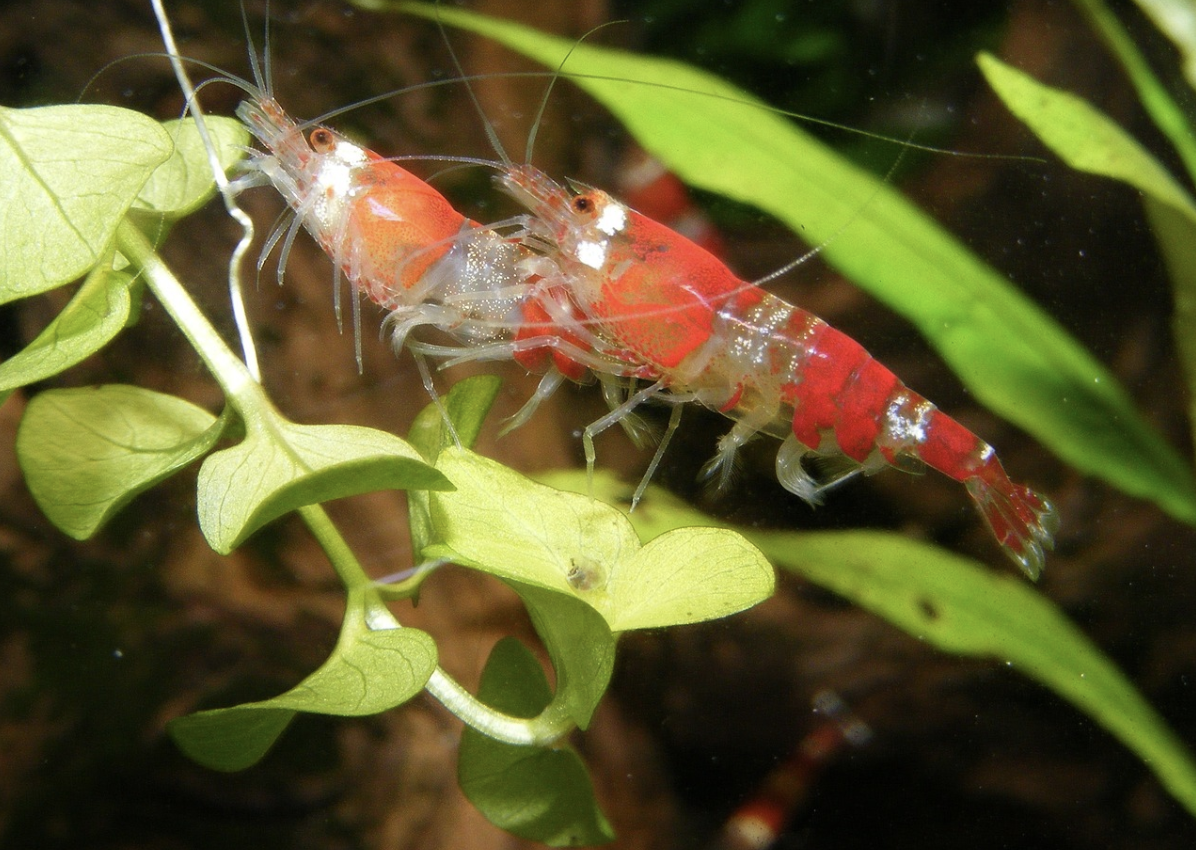
Photo credits: basuka | Pixabay
Although shrimp and other crustaceans have brains and nervous systems that differ from those of vertebrates, they possess structures involved in pain perception that are similar in function. Evidence shows that shrimp respond to noxious stimuli such as excessive heat or physical injury, suggesting that they can indeed feel pain.
Studies have documented the presence of nociceptors (pain receptors) and complex behavioural reactions to painful events — for example, grooming or rubbing an injured area. Other crustaceans exhibit comparable behaviours when exposed to harmful stimuli. Research shows that when they are anesthetized during painful experiences, they reduce or stop to express certain altered behaviours, demonstrating that their reactions are not merely reflexes.
There is also scientific evidence that some crustaceans experience significant stress and even long-lasting behavioural — or physical — changes associated with pain. These include avoidance learning or even voluntarily shedding a severely injured limb.
Complex Behaviours and Cognitive Abilities
Recent studies show that many crustaceans, including shrimp, possess complex cognitive capacities. They are able to:
distinguish objects and colours
produce and perceive diverse sounds
recognise other individuals
learn new complex tasks
retain memories
navigate and interpret spatial information
make decisions based on environmental cues
care for their offspring
display consistent personality traits
These abilities indicate cognitive processes comparable to those of other recognised sentient animals.
Some species demonstrate truly remarkable intelligence. For example, one study found that a crab species can learn and memorise maze routes when rewarded with food. There is also evidence of observational learning: individuals watch and imitate the behaviour of others, adjusting their own actions accordingly. Stable social hierarchies have also been observed.
Improving Crustacean Welfare: Emerging Guidelines and Practices
As recognition of sentience in invertebrates as crustaceans grows, several countries and institutions have started to incorporate shrimp and other crustaceans into welfare-related frameworks — particularly in aquaculture and scientific research.
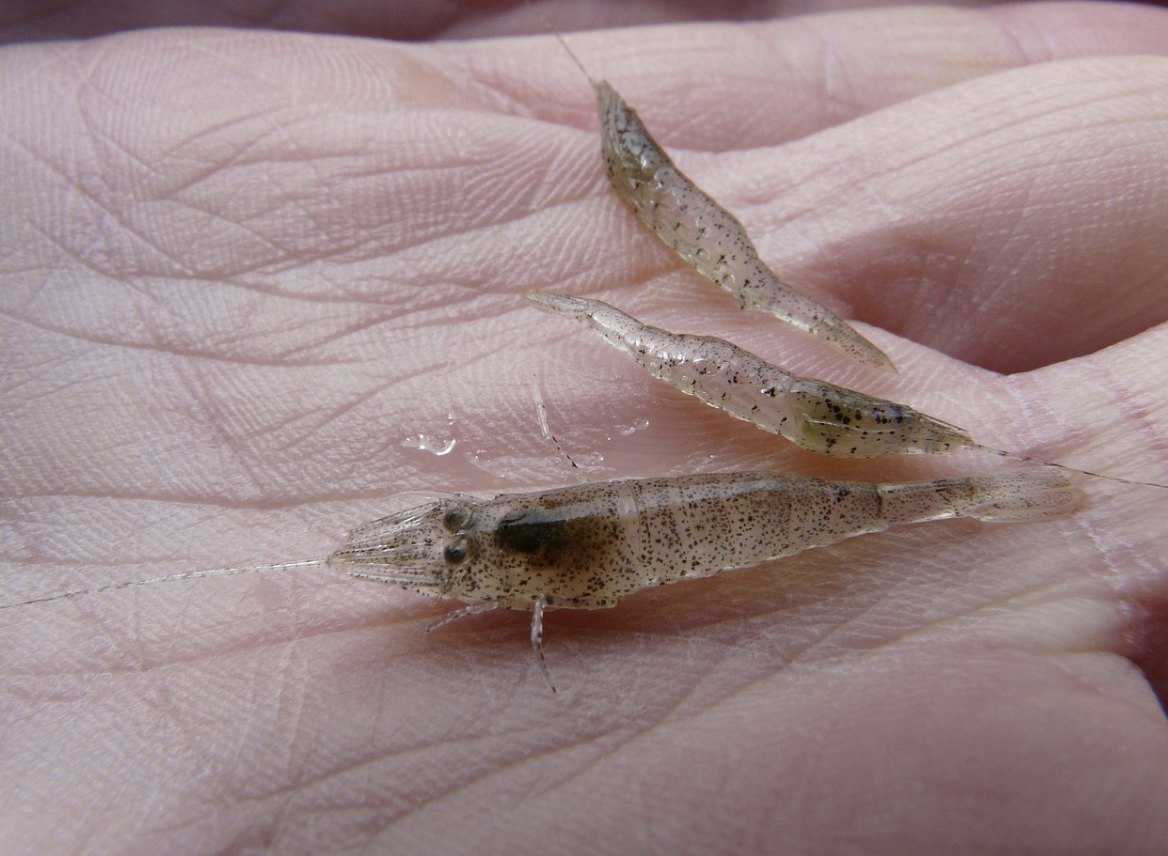
Photo credits: Hans | Pixabay
Although the World Organisation for Animal Health (WOAH) does not yet provide specific welfare guidelines for shrimp or other crustaceans, its Aquatic Animal Health Code includes general recommendations relevant to the health, care and handling of aquatic animals.
This evolving context highlights the need for practices that minimise unnecessary suffering of crustaceans. Discussing the sentience of such animals is essential to developing ethical policies and practical measures that ensure more humane treatment during their catching, farming, handling, transport, slaughter, and research procedures.
Why Awareness Matters
Every year, farms produce an estimated 440 billion shrimp — more than five times the total number of all terrestrial farmed animals combined. It is estimated that 7.6 to 76 trillion shrimp are slaughtered annually.
Given these staggering numbers, understanding the capacity of shrimp and other crustaceans to suffer is crucial for promoting meaningful changes regarding their welfare in captive conditions.
We invite you to explore the Declaration on Sentience in Crustacean, developed by Alianima. This document recognises the ability of these animals — especially shrimp — to feel pain and other negative emotional states, compiling fundamental scientific references and expert support to help deepen understanding of this important issue.