Revisiting 2021: Why Our Fish Welfare Study in the Philippines Still Matters
By Animal Kingdom FoundationIn 2021, amid the uncertainties of the global pandemic, the Animal Kingdom Foundation (AKF) undertook a crucial study on the state of fish welfare in the Philippines. Despite the challenges of the time, we recognized the urgent need to explore a largely overlooked issue: how are farmed fish in the Philippines treated?
Why the Study Was Conducted
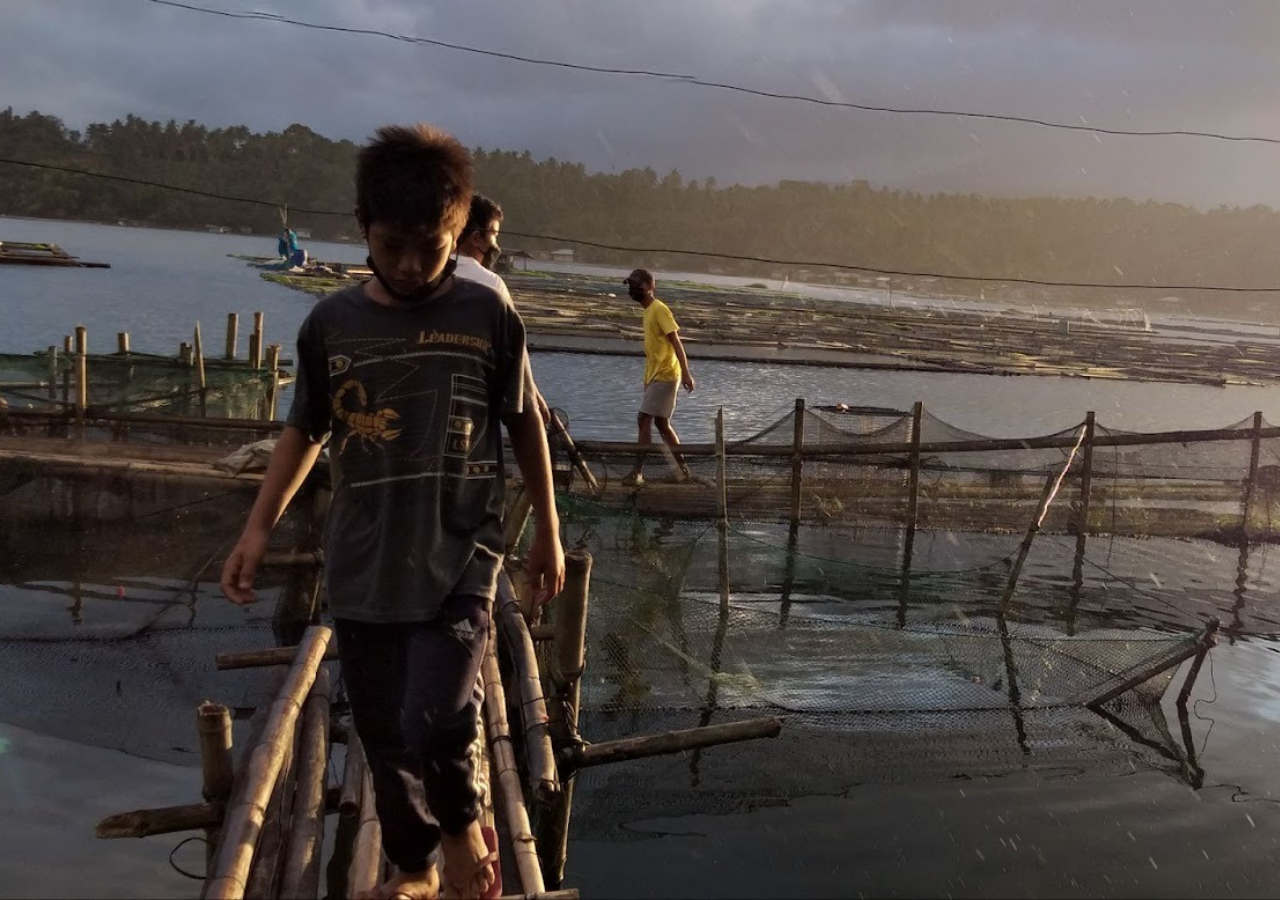
As an archipelagic nation, the Philippines relies heavily on fish as a primary source of protein and livelihood. The aquaculture industry has grown to meet this demand, producing millions of tons of fish annually. However, behind this growth lies a critical gap: animal welfare practices in the aquaculture industry remain underdeveloped and largely undocumented.
Fish are often excluded from mainstream conversations on animal welfare. This study aimed to assess the current practices in fish farming, evaluate awareness of existing laws and standards, and identify the structural and knowledge-based challenges that hinder the advancement of fish welfare in the country.
Scope and Methodology
The study involved 49 fish farms across Luzon, including both edible and ornamental species. These farms were located in 44 barangays across 17 cities and municipalities in seven provinces and five regions.
AKF applied a framework adapted from ecological systems theory, focusing on six key components: knowledge, structure, capacity, process, functions, and accountability. Beyond the data, our approach emphasized meaningful dialogue with aquaculture stakeholders to better understand their perspectives and practices.
What we found out
Understanding of Fish Welfare Exists but Is Unfamiliar in Name
The concept of fish welfare, when translated into Filipino (kapakanan ng mga isda), was easily understood by fish farmers. While many could describe practices aligned with welfare principles, the formal concept remains unfamiliar.Awareness of Legal Frameworks Is Limited
Many farmers were unaware of national laws such as the Animal Welfare Law, Code of Good Aquaculture Practices, or even international standards like those set by the World Organisation for Animal Health (WOAH). This highlights a need for broader dissemination of information and training at the grassroots level.Aquaculture Is Highly Diverse
The sector ranges from backyard ponds to large-scale, export-oriented operations. Even farms producing the same species in similar areas may have vastly different systems. This diversity presents both a challenge and an opportunity for tailored, context-specific welfare interventions.Local Knowledge Is a Strength
Fish farmers demonstrate a deep understanding of seasonal cycles, water quality, and fish behavior. These insights form a valuable foundation for welfare-centered practices and should be incorporated into future strategies.Policy Gaps Remain a Major Barrier
While local governments and fisherfolk cooperatives have the potential to support fish welfare, the absence of clear legal mandates makes it difficult to institutionalize such programs. There is an urgent need to clarify whether fish fall under the scope of existing animal welfare laws or to develop new legislation to address aquatic species specifically.
Why This Matters Today
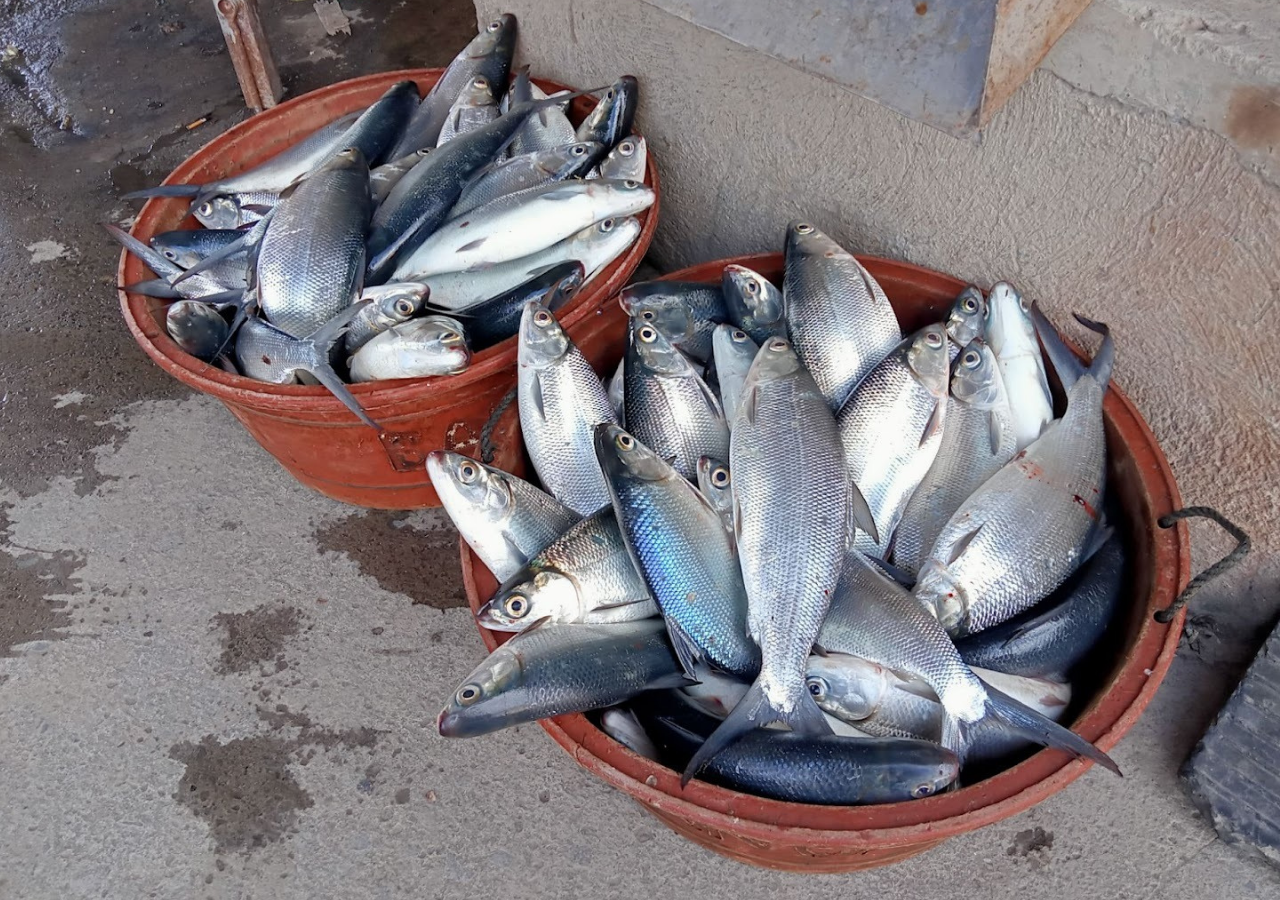
Although the study was conducted in 2021, its findings remain highly relevant. As demand for ethically sourced food continues to grow all over the world, integrating animal welfare into aquaculture is becoming a necessity. It is essential to sustainability, food security, and responsible production and consumption.
This study helped us better understand that fish welfare is not only a technical matter but a social one. It reflects how we value life—particularly those lives often hidden from view. Supporting fish welfare also means supporting the communities that depend on aquaculture for their livelihoods.
What is next for Fish Welfare in the Philippines
Fish welfare, albeit a new aspect to dive into by common consumers and fisherfolk, is an uphill battle, considering that fish welfare is relatively new in a country that consumes fish as food. The next steps for AKF include educational campaigns, awareness programs and lobbying to call for the recognition of fish sentience in the Committee of Animal Welfare, a committee under the Department of Agriculture that oversees that animal welfare is prioritized in national programs and policies.
We recently sent a letter signed by over 160 Aquatic Animal Alliance members to this committee, highlighting the importance of including aquatic animal welfare in regulations, frameworks and guidelines in the country.
The Path Forward
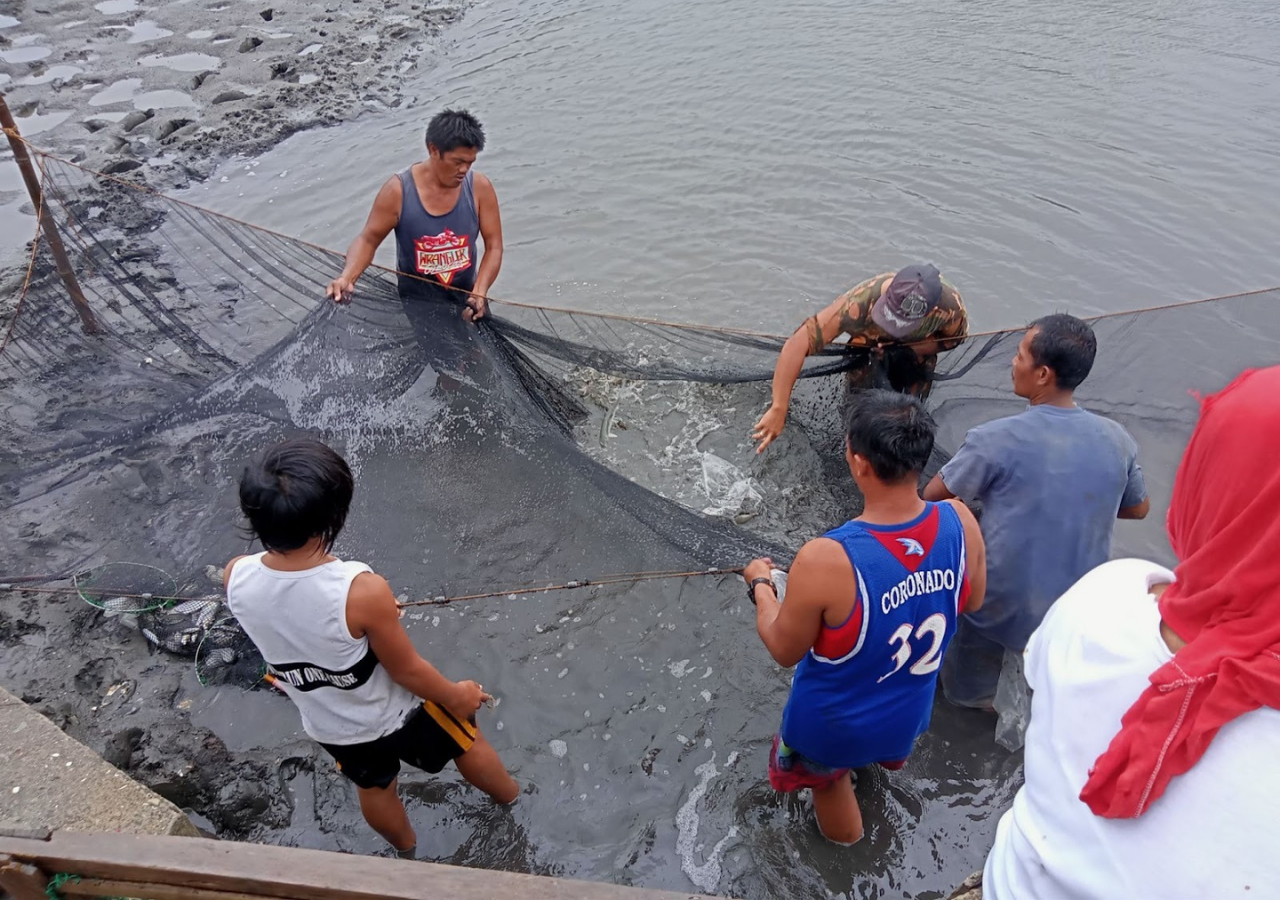
Since completing the study, AKF has engaged with government agencies, academic institutions, and local fish farming communities to promote awareness and capacity-building around fish welfare. However, this is only the beginning, and more must be done.
We call on:
Consumers to be more aware of the sentience of fish and how ethical sourcing of fish should be done
Local governments to include fish welfare in their animal welfare programs
National agencies to declare fish as sentient beings and develop clear welfare guidelines.
Civil society organizations to continue advocating for all sentient animals, including fish
The 2021 study was only the beginning. Together, we can build an aquaculture sector that is not only productive but also humane, sustainable, and inclusive.